
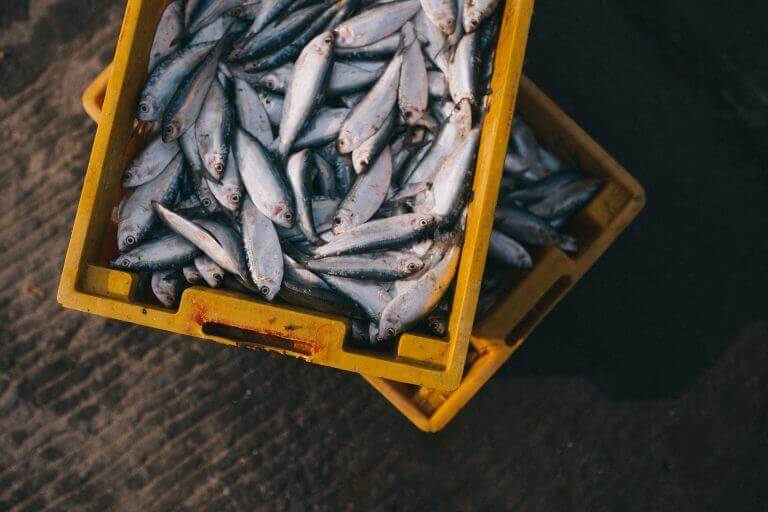
According to a new study by Oceana, a large portion of the fish consumers purchase are mislabeled. In fact, during their study, Ocean found that 21% of the species they tested were mislabeled, and were often substituted by a cheaper or endangered species to the desired fish. Surprisingly, large grocery store chains were less guilty of this mislabeling compared to smaller markets and restaurants. While this study may come as a shock, it is not the first time that fish fraud of this nature has been investigated.
The conservation group, Oceana, has been testing seafood for nine years, and previous studies have resulted in similar reports. Beth Lowell, the deputy vice president of Oceana stated, “every time we do a study, we think, ‘maybe we will no longer see a problem,’ but we keep finding it, and we know it’s having an impact on our oceans,”. Given the results of subsequent fish studies, Oceana hopes that the government with increase its regulations on seafood entering the United States. However, previous attempts have not offered much improvement.
In 2014, the US Government Task Force on Combating Illegal, Unreported and Unregulated Fishing and Seafood Fraud was created. Based on the suggestions and finding of this task force, eventually the Seafood Important Monitoring Program was set in place in 2018. Also known as SIMP, this program enforces the reporting of thirteen fish species when caught, including popular species like red snapper, swordfish, tuna, and king crab. Yet, fish fraud remains a prevalent problem.
For consumers, the mislabeling of fish can mean overpaying for species that would have otherwise been inexpensive and likely undesirable. However, it can also represent a serious health threat, especially for pregnant women who rely on correct labeling to avoid species that are high in mercury. So, if such a large percentage of fish are mislabeled, what are we consuming? In its study, Oceana tested 400 samples obtained from 277 different locations in the United States. Among the most commonly mislabeled fish species were red snapper and sea bass. Red snapper was found to have been mislabeled in 55% of the samples, while sea bass was mislabeled in 42% of samples and was instead substituted with giant perch or Nile tilapia.
However, additional studies have also found that even the labeling of “wild caught” fish versus “farm raised” fish were incorrect. It is a popular belief that the mislabeling of fish in this regard is intentional within the food industry, as consumers will pay up to 35% more for fish that is considered wild caught. However, it is clear that properly understanding the origin and species of fish can be difficult for distributors and can lead to confusion and mislabeling.
In order to improve the increasing fish fraud, it appears that strict regulations and a broader education for distributors will be required. While consumers await these changes, conservation groups, like Oceana, will likely continue to conduct similar studies in hopes of raising awareness. While it may take some time for mislabeling to improve, consumers should take all of the measures that they can to verify the species and origin of the fish they purchase. This can be achieved by asking as many questions as you can to the distributor, whether it be a restaurant, market, or grocery store. If possible, it is also a good idea to see the whole fish before it is cut and packaged.
To learn more about fish fraud or similar cases, check out the Jeff Newman Law Whistleblower Help Center and blog! We are dedicated to offering resources on numerous types of fraud, including financial fraud, pharmaceutical fraud, tariff evasion, and more!